Beautiful Plants For Your Interior
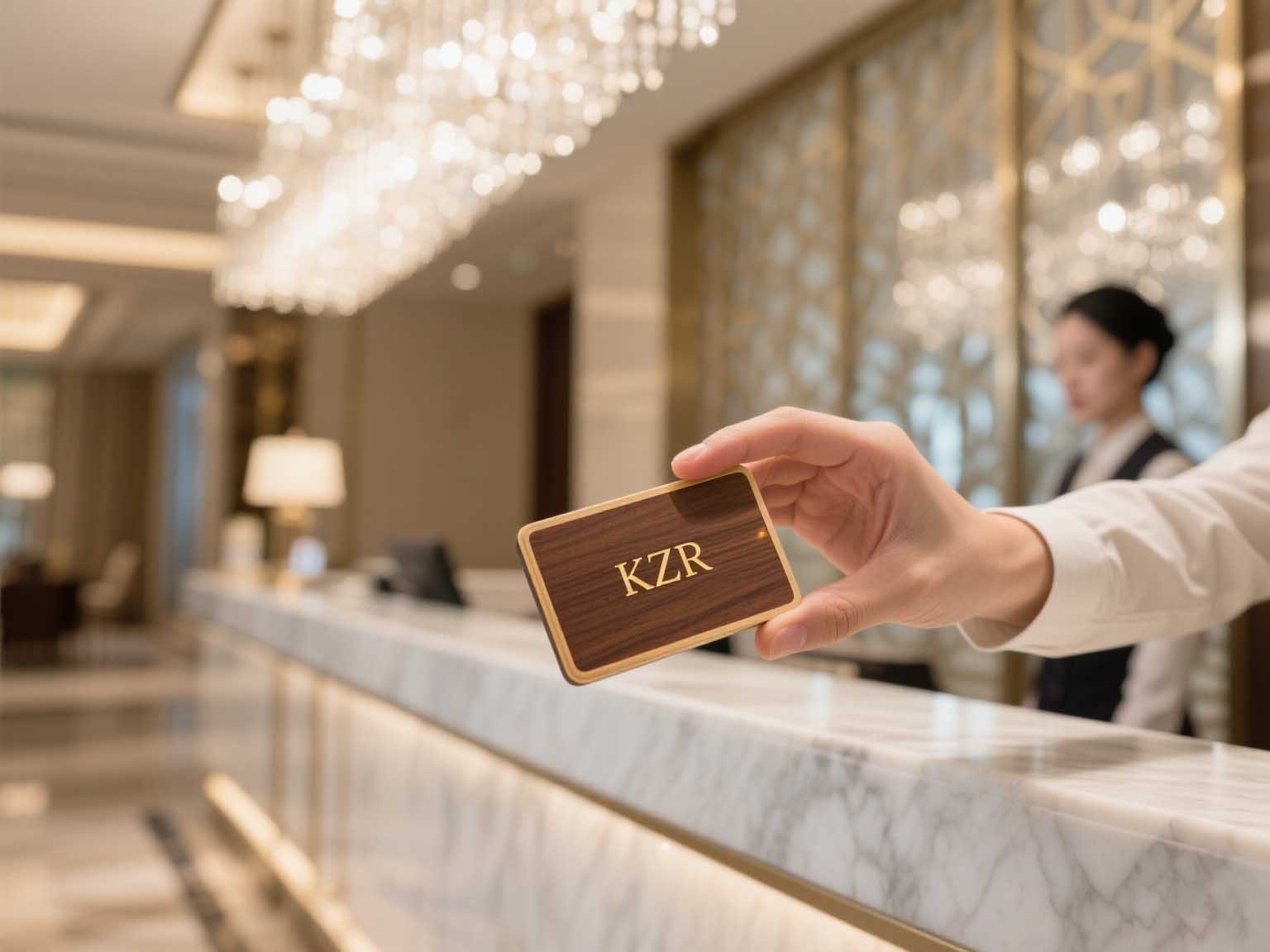
In the realm of hospitality, the humble keycard has undergone a remarkable transformation over the years. Once a simple piece of plastic embedded with a magnetic strip, the keycard has evolved into a sophisticated access device, and among these innovations, the hotel wooden keycard stands out as a unique and increasingly popular option. This article will explore the rise, functionality, design elements, and impact of hotel wooden keycards, highlighting why they have become a significant aspect of the modern hotel experience in the American context.
In an era where sustainability and environmental consciousness are at the forefront of consumer concerns, hotels in the United States are constantly seeking ways to reduce their ecological footprint. Traditional plastic keycards, which are often discarded after a single use, contribute to plastic waste accumulation. Wooden keycards emerged as a more eco – friendly alternative. Hotels recognized that by switching to wooden keycards, they could make a statement about their commitment to sustainability while also offering guests a memorable and distinctive item.
Moreover, the trend towards personalized and unique guest experiences has also fueled the popularity of wooden keycards. In a highly competitive hotel market, where standing out from the crowd is crucial, wooden keycards provide a touch of luxury and exclusivity. They are no longer just a means of accessing a hotel room; they have become a part of the overall brand identity and guest experience.
From a practical perspective, hotel wooden keycards function in much the same way as their plastic counterparts. They are typically embedded with RFID (Radio – Frequency Identification) technology or a magnetic strip. This technology allows guests to effortlessly access their hotel rooms by simply swiping the card or holding it near a card reader. The RFID – enabled wooden keycards, in particular, offer enhanced security features. They can be programmed to have specific access permissions, such as allowing entry only to the guest’s room and certain hotel facilities like the gym or spa.
In addition to room access, some hotels have integrated additional functions into their wooden keycards. For example, they can be used as a payment method within the hotel premises, allowing guests to charge purchases at the hotel restaurant, bar, or gift shop to their room. This streamlines the guest experience, eliminating the need for guests to carry multiple forms of payment during their stay.
One of the most appealing aspects of hotel wooden keycards is their design. Unlike the mass – produced, often generic – looking plastic keycards, wooden keycards offer a blank canvas for creativity. The natural texture and grain of the wood provide an aesthetically pleasing backdrop that can be customized in various ways.
Many hotels choose to engrave their logo, name, and a unique room number on the wooden keycard. This not only serves as a marketing tool, reinforcing the hotel’s brand image in the guest’s mind, but also adds a personal touch to the keycard. Some hotels go a step further and incorporate intricate designs or local motifs into the keycard, reflecting the hotel’s location or theme. For instance, a beachfront hotel might engrave a seashell or a palm tree design, while a hotel in a historic district could feature an engraving of a local landmark.
The choice of wood also plays a significant role in the design. Different types of wood, such as oak, maple, or cherry, have distinct colors and textures. A hotel might select a particular type of wood based on its overall decor and brand identity. For example, a rustic – themed hotel might opt for rough – hewn pine, while a more upscale and modern hotel could choose a sleek, polished bamboo keycard.
Hotel wooden keycards have a profound impact on the guest experience. When guests check into a hotel and are handed a wooden keycard, it immediately sets a positive tone for their stay. The tactile experience of holding a wooden keycard is different from that of a plastic one. The warmth and natural feel of the wood create a sense of luxury and quality, making guests feel valued.
Furthermore, wooden keycards are often seen as a souvenir. Instead of discarding them, guests are more likely to keep them as a memento of their stay. This not only enhances the guest’s emotional connection with the hotel but also serves as a form of free advertising. When guests show their wooden keycards to friends and family, it generates word – of – mouth promotion for the hotel.
The use of wooden keycards also contributes to the overall ambiance of the hotel. It aligns with the growing trend of biophilic design, which emphasizes bringing nature indoors. By incorporating wooden elements like keycards, hotels can create a more relaxing and inviting environment for guests. This can lead to increased guest satisfaction, positive reviews, and ultimately, repeat business.